Helping businesses earn more, pay less tax, allowing you to live the life you want

Chartered Accountants on the outskirts of York

Chartered Accountants in York

As business owners ourselves we know the frustration, stress, and sleepless nights caused by running a business, managing a team, and keeping track of what taxes are due.


At Inglis, we save you time, stress and money by helping you stay in control of your business and maximising your tax reliefs. We are more than just an accounting firm, we support you and your business in the long term, and help you achieve your business and life goals.


Net Zero Accountancy

Net Zero Accounting

Inglis have proudly reached the first level of certification to becoming a Net Zero business, working with climate action platform, Net Zero Now.

A Force for Good

A Force For Good

Whilst profit, tax and cash is important to us, we support several good causes including Wetwheels Yorkshire, York Mind, and Kitchen For Everyone York.

Popular services

At Inglis, we offer a range of accounting services to help your business grow and thrive

Virtual Finance Director

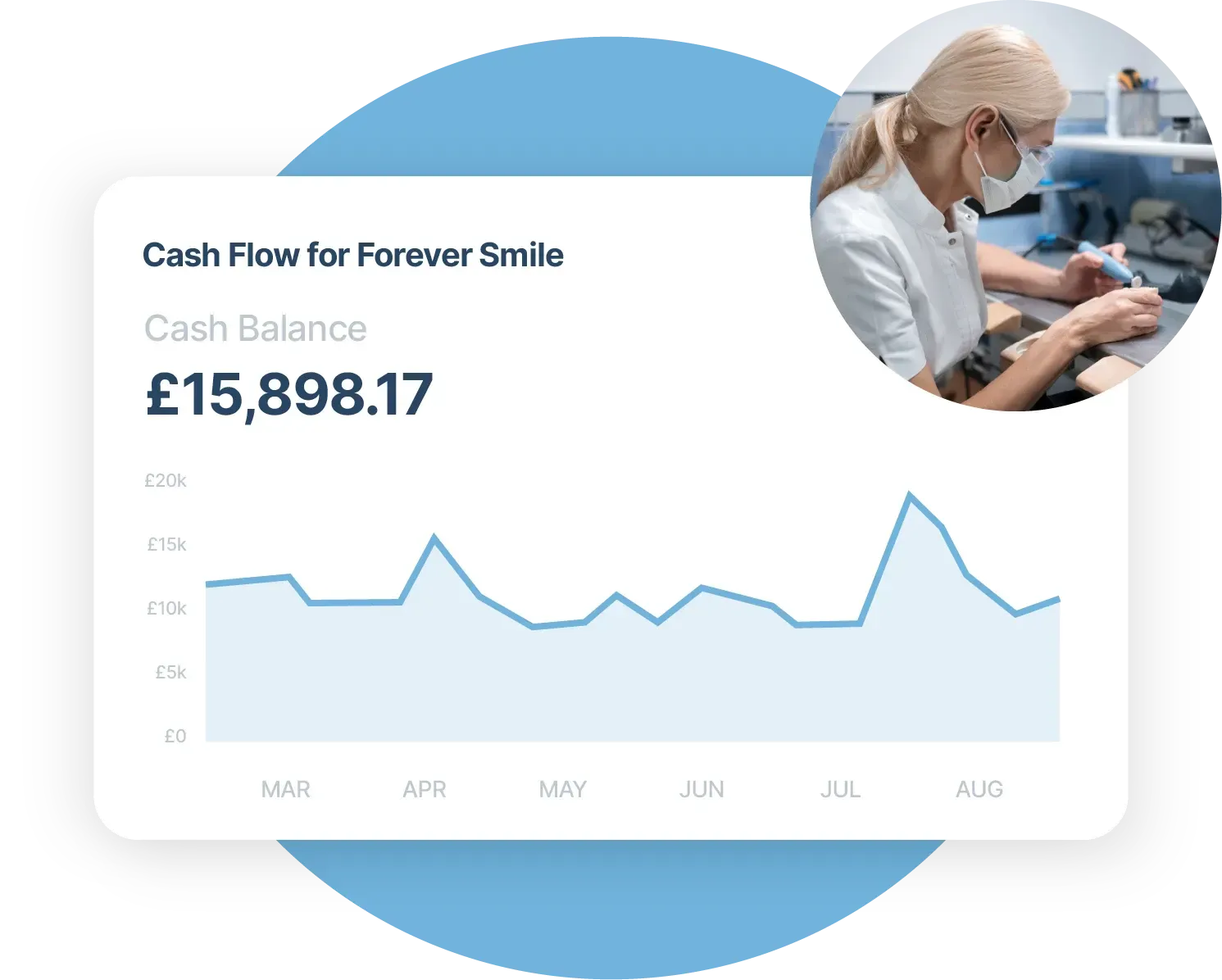
Leave us to manage the finance function of your business so you can concentrate on the day-to-day running of your business. As your Virtual Finance Director, we will be a sounding board you can bounce ideas off, as well as acting as your business coach and working alongside you to ensure you meet your business goals.
Virtual Finance Director
 Management Accounts

Management Accounts

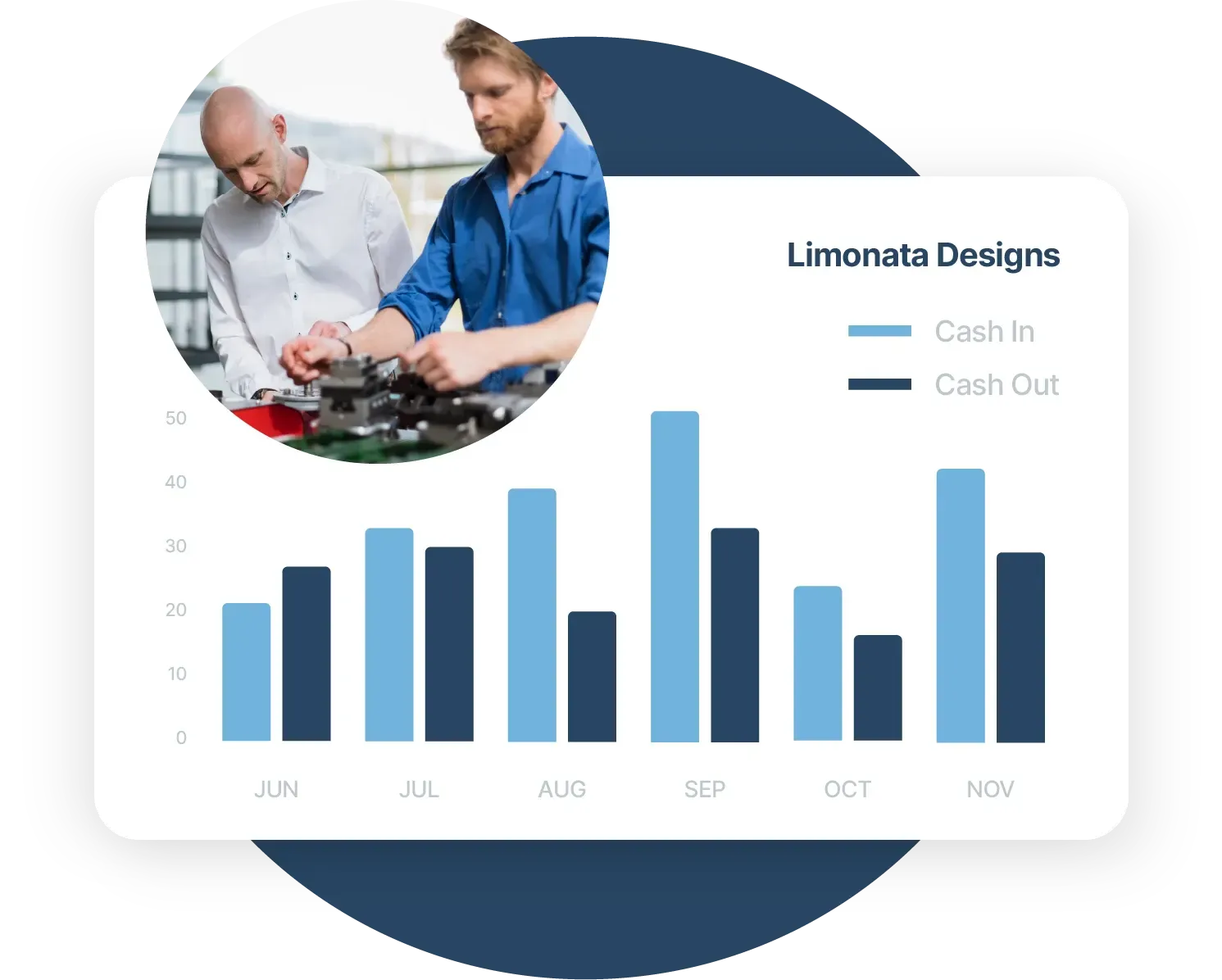
Do you know how much money is coming in and going out of your business on a day by day, week by week basis? In order that you can make informed decisions to manage your business better, we offer a management accounts service that will help you keep on track of your company's numbers.

Bookkeeping

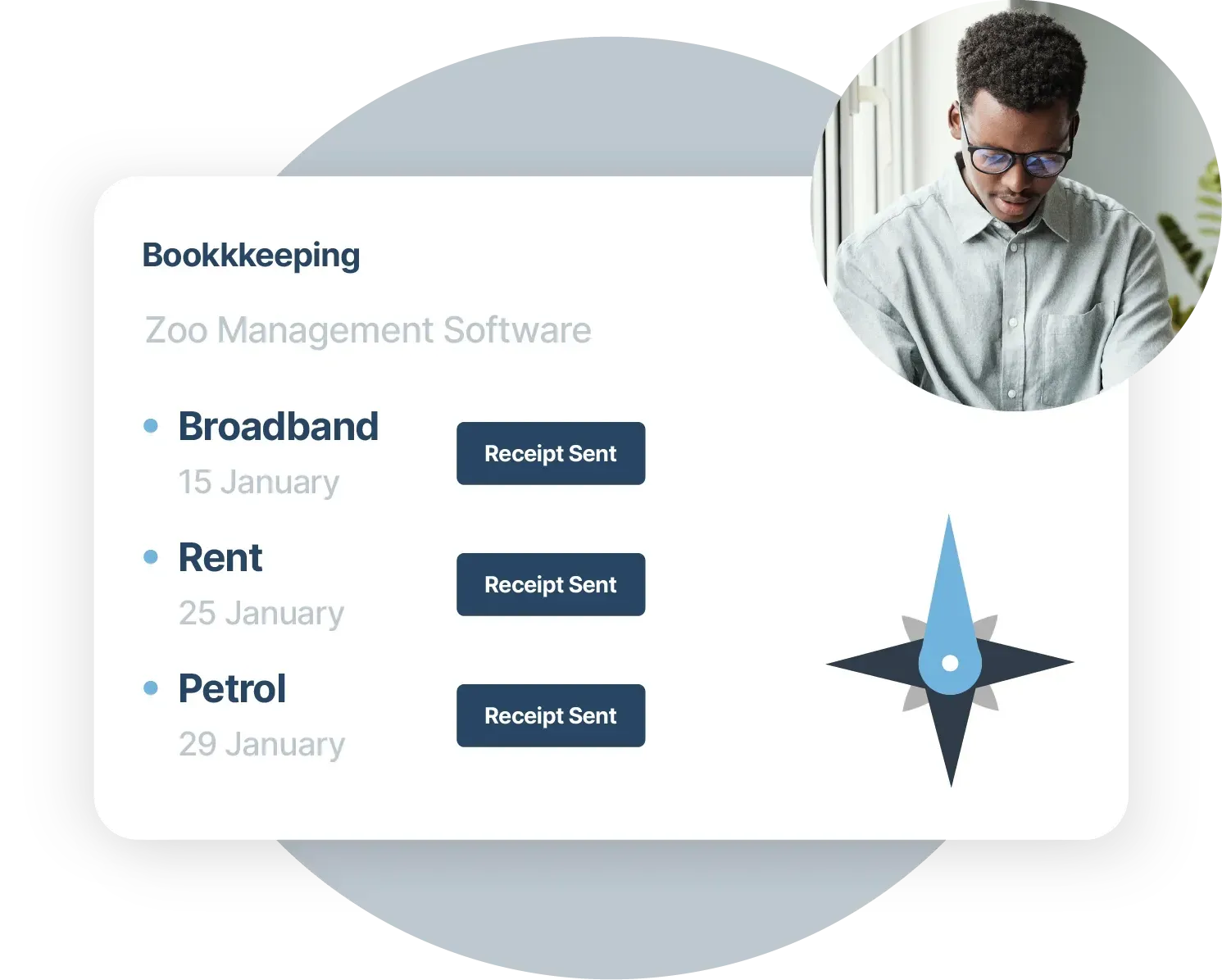
As you grow your business the number of transactions you complete can quickly add up and bookkeeping can become a daunting and endless task. We offer an out of house bookkeeping service so all you need to do is pass us your sales invoices and receipts and we will do the rest.
Bookkeeping
FREE DOWNLOAD

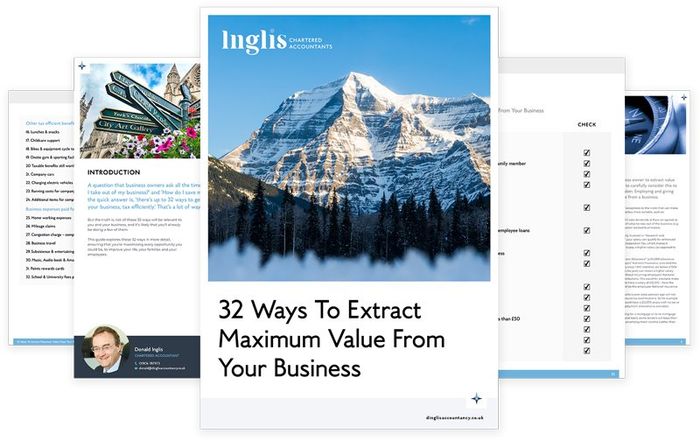
32 Ways To Save Tax and Extract Maximum Value From Your Business

Ever wonder what you can take out of your business or how you can save more tax? This guide explores 32 ways of ensuring that you’re maximising every opportunity you could be to improve your life, your families and your employees.
Download
32 Ways To Extract Maximum Value From Your Business Download

Latest Blog Articles

By Donald Inglis February 19, 2026
Referrals are often described as the lifeblood of a business. That may sound like a cliché, but for many firms it is the truth. A referred customer often arrives with trust already in place. They are more likely to listen, more likely to buy and more likely to stay. Yet most businesses treat referrals as something that either happens or it doesn’t. In reality, referrals are almost never accidental. From our experience, they are the result of clear positioning and consistent follow-up. So here are some practical steps you can take to make referrals a steady and reliable part of your growth. Be clear about who you help One of the biggest barriers to referrals is vagueness. If someone asked your customer, “Who would you recommend?”, would they know exactly who to suggest? Instead of describing your business in broad terms, be specific. For example: “We design websites for independent cafés and restaurants.” “We help tradespeople move from sole trader to limited company.” “We work with e-commerce brands to help them sell more online.” When people understand precisely who you are best suited to, it becomes easier for them to think of someone. Ask at the right time Timing makes a huge difference. The most natural moment to ask for a referral is just after you have delivered something of value. Ideally, something that as really blown their metaphorical socks off! That might be when a project finishes successfully, when a customer gives positive feedback or when you solve their problem quickly. A simple sentence is often enough, “If you know any other business owners like you who are struggling with this, I would really appreciate an introduction” or if you wanted to be even more direct, “Is there anyone you know who you think might benefit from our services as well?” Stay visible Referrals often come down to how often you cross someone’s mind. If clients only hear from you when you send an invoice, you are easy to forget. Sharing a short client update email, commenting on their LinkedIn posts, sending a relevant article when you spot one, or arranging a brief catch-up call will keep you at the front of their mind. You are not asking for a referral every time, but you are reminding your clients what you do and that you do it well. Top tip: Put a reminder in your diary to contact your best clients once a quarter, even if it is just to say hi or to see how they’re doing. Avoid sounding overwhelmed Many business owners answer, “How’s business?” with “We’re so busy.” While that may be true, it can unfortunately discourage referrals. If people believe you do not have capacity, they are unlikely to introduce you to others. A better response might be that things are going well, and you are always keen to speak with the right type of client. And remember, referrals work both ways. When you actively introduce your clients to useful contacts, they are far more inclined to return the favour. It is a simple principle, but one that is often overlooked. Track where new work comes from Finally, measure it. Ask every new customer how they heard about you and keep a record. Over time, patterns appear. You may find that a handful of loyal customers account for a significant proportion of your introductions. Those relationships are worth nurturing. When someone does refer you, acknowledge it properly. A handwritten thank you card, a small gift or even a personal message expressing genuine appreciation goes a long way. This extra effort reinforces the relationship and makes future referrals far more likely. How we can help We hope you have found this useful. If you have any questions about strengthening your business or would like to talk through your plans, we are always happy to help. To find out how we can work together, call us on 01904 787 973 or book a call with our team .
By Donald Inglis February 12, 2026
The latest figures from the Office for National Statistics show the UK economy grew by 0.1 percent in the final quarter of 2025. That leaves annual growth at 1.3 percent for the year as a whole, slightly higher than 2024 but below the Bank of England’s earlier forecast of 1.4 percent. The detail behind the figures shows an uneven picture. The services sector, which represents the largest part of the UK economy, recorded no growth in the final quarter for the first time in over two years. Within that, professional, scientific and technical activities declined by 1.1 percent. Construction fell by 2.1 percent over the quarter, its weakest performance in four years, reflecting a drop in both repair and maintenance work and new projects starting on site. Manufacturing provided the main support to growth, helped in part by Jaguar Land Rover restarting production following a cyber-attack earlier in the year. Travel agencies, tour operators and administrative support services also performed strongly. Business conditions remain mixed The Bank of England recently lowered its forecast for UK growth in 2026 to 0.9 percent and raised its expectation for unemployment. While some economists believe the latest data could support an interest rate cut in the coming months, others suggest policymakers may wait for clearer signs that inflation is slowing. Business groups continue to report concerns about rising costs. Surveys from the British Chambers of Commerce indicate that taxation and inflation remain key issues for firms, with particular focus on increases in employer National Insurance contributions. What this means for business owners For many small and medium-sized businesses, the figures reinforce a familiar theme: growth is present, but limited. In this environment, it is sensible to: Keep cash flow forecasts up to date Review pricing and margins carefully Factor employer National Insurance changes into staffing decisions Monitor borrowing costs in case of future interest rate movements How we can help If you would like to review how the current economic outlook could affect your business, we would be more than happy to talk. Call us on 01904 787 973 or book a call with our team .
By Donald Inglis February 2, 2026
The self-assessment deadline comes around at the same time every year, but thousands of people still miss it. If you were required to submit a self-assessment tax return and did not file by 31 January, HM Revenue and Customs now treats the return as late. That does not mean the situation cannot be resolved, but it does mean penalties may already apply and further charges can build quickly if nothing is done. Missing the self-assessment deadline does not mean the situation cannot be put right. But acting quickly can make a real difference to the penalties and stress involved. The annual self-assessment filing deadline passed on 31 January. Anyone who was required to submit a tax return for the 2024 to 2025 tax year and has not yet done so will now be classed as late by HM Revenue and Customs. An automatic penalty applies as soon as the deadline is missed, even if no tax is owed or the tax has already been paid. What penalties apply now The first penalty is a fixed £100 charge. This applies immediately once the deadline has passed and cannot usually be appealed unless there is a recognised reasonable excuse. If the return remains outstanding for more than three months, further penalties can start to build up. These are charged at £10 per day, for up to 90 days, meaning an additional maximum penalty of £900. If the return is still not filed after six months, HMRC may charge a further penalty. This is the higher of £300 or 5% of the tax due. After 12 months, another penalty of the higher of £300 or 5% of the tax owed can be added. Separate penalties apply if tax is paid late. These are charged at 5% of the unpaid tax after 30 days, six months and 12 months. Interest may also be added to any outstanding balance. Even if you cannot pay in full, filing the return as soon as possible helps limit how far penalties can escalate. Reasonable excuses and appeals HMRC does allow penalties to be cancelled in limited circumstances where there is a reasonable excuse. These might include serious illness, a bereavement, or an unexpected event that genuinely prevented the return being submitted on time. Being busy, forgetting the deadline, or not having all paperwork ready are not usually accepted as valid reasons. Any appeal must be made after the return has been filed, not instead of filing it. What to do if you cannot pay If you have filed your return but cannot afford to pay the tax bill in full, you may be able to apply for a Time to Pay arrangement. This allows the tax owed to be spread over monthly instalments, subject to meeting HMRC’s criteria. The option is usually available online for debts under £30,000, provided returns are up to date. How we can help If you have missed the deadline, the most important step is to deal with it promptly and correctly. We can help you file your outstanding return, check whether penalties are correct, and advise on whether an appeal is appropriate. We can also liaise with HMRC on your behalf, help you apply for a Time to Pay arrangement, and ensure future deadlines are managed properly so this does not happen again. If you would like support with a late return or ongoing self-assessment obligations, call us on 01904 787 973 or book a call with our team .
View All Articles